
How Rent Payments Can Improve Your Credit Profile in India | RentenPe
How Rent Payments Can Improve Your Credit Profile in IndiaEvery month starts the same way. Salary comes in, an...
March 27, 2026 • RentenPe





What Is Rental Yield in Real Estate? Meaning, Calculation & Importance
Most people treat rent like a routine bill. Something that leaves your account every month without much thought. But if you flip the perspective, that same rent is someone else’s income stream. For a property owner, it’s not just money coming in. It’s proof that their investment is doing something useful. And that’s where the idea of rental yield quietly steps in. It tells you whether a property is actually earning well or just sitting there looking valuable on paper.
This is also why conversations around renting are changing a bit now. With platforms like RentenPe, rent payments aren’t just cash transfers or bank entries anymore. They’re becoming more organized, more visible, and easier to manage. And when money becomes easier to track, people naturally start asking smarter questions. How much return is this property generating? Is the rent justified? Is the investment worth it? That curiosity leads straight to rental yield, whether someone realizes it or not.
So in this blog, we’re basically breaking down that whole picture. What rental yield really means in day-to-day terms, why investors care about it so much, what affects it, and how it connects to real decisions people make with property. Nothing complicated. Just the kind of understanding that makes you look at rent and real estate a little differently next time.
Understanding Rental Yield: Meaning and Calculation
Rental yield is honestly just a simple way to check whether a property is earning decent money compared to what you spent on it. No heavy finance theory. If you bought a house for a big amount and the rent coming in feels small, the yield will show that reality very clearly. Once people understand this concept, property decisions start feeling more practical and less guesswork-based.
What Exactly Is Rental Yield?
A simple way to understand it is this.
You buy something. That thing gives you income every month. Rental yield tells you how strong that income is compared to your investment.
The basic calculation looks like this:
Annual Rent ÷ Property Cost × 100 = Rental Yield (%)
It’s simply a percentage that shows how efficiently your money is working.
A Simple Real-Life Example
Let’s say someone buys a flat for ₹50 lakh and rents it for ₹20,000 per month.
That becomes ₹2.4 lakh per year.
Now compare ₹2.4 lakh with a ₹50 lakh investment.
The rental yield comes to roughly 4.8%.
Now imagine another person buys a ₹80 lakh flat but gets only ₹22,000 rent per month.
Yearly rent becomes ₹2.64 lakh.
Even though the property is more expensive, the yield drops to around 3.3%.
This is where people get surprised. A higher property price does not automatically mean better returns. Sometimes a simpler property earns more efficiently.
Gross vs Net Rental Yield
There’s also the practical side that people often forget. Costs. Society maintenance, repairs, taxes, brokerage, and sometimes months without tenants. When you subtract these, the actual return becomes lower. That’s called net rental yield, and that number is closer to real profit.
Why Understanding This Makes Sense
Once someone understands rental yield, property decisions become less emotional and more practical. Instead of relying only on assumptions about a good location or future price growth, they begin asking more informed and logical questions before investing.
Why Rental Yield Is a Key Indicator for Property Investors
A lot of people buy property with one main hope in mind. The price will go up in the future. And yes, appreciation does happen. But the problem is, it doesn’t happen on a fixed timeline. Markets slow down, areas take longer to develop, and sometimes growth just stays flat for years. During that waiting period, the only thing that really matters is whether the property is generating income or just sitting there.
That’s exactly why rental yield becomes such an important indicator. It shows whether the investment is alive financially right now, not just in some future prediction.
Think about a simple situation. Someone buys a property with a home loan. EMI is ₹30,000 per month. The rent they receive is ₹25,000. That means most of the EMI is getting covered by the tenant. Financial pressure stays manageable.
Now imagine the same EMI, but the rent is only ₹12,000. Suddenly, the owner is paying a big amount from their own pocket every month. Over time, that difference feels heavy. Same asset category, very different financial comfort. The yield number usually explains this gap before you even buy the property.
Rental yield also helps investors compare options logically. Two properties may look similar on the outside, but one may generate much better income relative to cost. Without yield, people often rely on gut feeling or marketing promises. With yield, decisions become clearer.
Another reason investors care about yield is risk control. If property prices don’t grow for a few years, rental income still keeps money flowing. That cash flow creates stability. It reduces stress and gives flexibility to hold the asset longer without panic selling.
A single measure, rental yield, offers insight into how well a property functions as an asset. This figure reveals if earnings align with outlay, if cash flow backs the purchase cost, while hinting at long-term stability beyond hopes of rising value alone.
Key Factors Affecting Rental Yield in India
Rental yield doesn’t change randomly. There are always reasons behind why one property earns better than another. Sometimes the difference is huge, even within the same city. Understanding these factors helps investors avoid surprises later.
What matters most isn’t prestige - it’s how convenient the place actually is. Properties close to workplaces, universities, transit links, or commercial zones tend to attract renters more quickly while supporting higher rental prices. Yet even an attractive flat might fail to deliver steady returns if it sits in a spot hard to reach.
Then comes the purchase price vs rental demand balance. If you buy at a very high price in a premium project, rent may not rise at the same speed. That gap reduces yield. This is why luxury properties often have lower rental yield compared to mid-segment homes. The demand pool is smaller.
Property size and configuration also play a role. Smaller units like 1BHK or compact 2BHK often generate better percentage returns because more tenants can afford them. Bigger homes may bring higher rent in absolute numbers, but the yield percentage sometimes drops.
Another practical factor is maintenance and ongoing costs. High society charges, frequent repairs, furnishing expenses, brokerage during tenant changes, and property taxes quietly reduce actual returns. Many first-time investors ignore this and later realize the income is not as high as expected.
Vacancy is another hidden factor that people underestimate. Even two or three months without a tenant in a year can noticeably reduce yield. Consistent occupancy matters more than slightly higher rent.
A small real-life style example makes this clearer.
Someone buys a flat expecting a ₹25,000 monthly rent. But because the area is still developing, it stays vacant for 3 months. Actual yearly rent drops significantly. Yield calculation changes immediately. On paper, the investment looked great. In reality, income efficiency fell.
That’s why seasoned investors don’t stop at asking “How much rent will this property bring?” They ask deeper questions.
How stable is tenant demand here?
How often do properties stay vacant?
What are the real yearly costs?
Those answers usually decide the true rental yield more than anything else.
Rental Yield vs Property Appreciation: What Should You Prioritize
This is a question that comes up for almost every property buyer at some point. Should you focus on rental income now or future price growth later? The honest answer is, it depends on what you actually need from the investment and how comfortable you are financially.
Property appreciation is attractive because it promises a bigger payoff someday. You buy today, wait a few years, and sell at a higher price. But appreciation is never guaranteed on a timeline. Markets move slowly. Infrastructure projects get delayed. Demand shifts. So while appreciation can create wealth, it often requires patience and holding power.
Rental yield, on the other hand, is an immediate reality. It’s money coming in regularly. It helps with EMIs, reduces financial pressure, and creates some predictability. For many investors, especially those with loans, this stability matters more than chasing future gains.
A practical way to look at this is through life situations.
If someone has strong savings, no loan pressure, and long-term patience, they might be comfortable choosing a property with lower rental yield but higher appreciation potential.
But if someone is stretching finances, paying EMIs, or depending on rental income to support cash flow, then yield becomes more important. Because monthly comfort often matters more than future profit.
There’s also a balanced approach smart investors follow. They don’t treat it like a competition between yield and appreciation. They look for reasonable rental income with decent growth potential. Not perfect in one area, but healthy overall.
One mistake people make is assuming expensive locations automatically mean better investments. Sometimes, premium areas give strong appreciation but weak rental returns. Sometimes, developing areas give better yield but slower price growth. Neither is right nor wrong. It depends on the investor’s goal.
Why Rental Yield Deserves Your Attention
Rental yield brings a sense of realism into property decisions. It helps you understand whether your investment is actually earning something meaningful today or just depending on future price hopes. Once you start looking at this number, the whole approach changes. You begin to think more practically instead of purely emotionally.
Over time, both rental income and appreciation matter, but regular cash flow creates a different kind of comfort. It reduces pressure and makes ownership feel more sustainable. And with platforms like RentenPe simplifying rent payments and tracking, handling the income side of property has become much clearer and easier than it used to be.
FAQs
1. What is considered a good rental yield for a property?
Usually, around 3% to 5% is common in many cities, but higher is always better if the location and demand are stable. What matters more is consistency of income, not just the percentage number.
2. Why do some expensive properties have lower rental yield?
Because property prices sometimes rise faster than rent in premium areas. So even with higher rent, the return percentage compared to cost becomes smaller.
3. Is rental yield more important than property appreciation?
Neither is more important universally; it depends on your financial situation and goals. If you need a steady cash flow, yield matters more; if you’re patient, appreciation can work.
4. How can I improve the rental yield of my property?
Choosing the right location, keeping the property well-maintained, and pricing rent realistically helps a lot. Even small upgrades like furnishings or better amenities can increase rent potential.
5. Does the vacancy period affect the rental yield?
Yes, vacant months directly reduce your yearly income and lower the actual return. Consistent occupancy often matters more than charging slightly higher rent.
6. Should I calculate rental yield before buying a property?
Absolutely, it helps you understand whether the investment makes financial sense. Many people skip this step and realize the numbers later.
7. How does a platform like RentenPe help in the rental ecosystem?
It simplifies rent payments and tracking, which makes income management more organized for both tenants and owners.
How Rent Payments Can Improve Your Credit Profile in IndiaEvery month starts the same way. Salary comes in, an...
March 27, 2026 • RentenPe

UPI vs. Credit Card: Best Way for Tenants to Pay Rent Before getting into which one is better, it helps&n...
March 20, 2026 • RentenPe

Introduction Paying rent used to happen in a very different way. Many tenants would give cash or ...
March 18, 2026 • RentenPe

When a property becomes vacant, most landlords want to fill it quickly. Calls start coming in, people visit th...
March 12, 2026 • RentenPe

Paying rent with a credit card once felt like a backup option people used only in emergencies. Now it’s a...
February 27, 2026 • RentenPe

For most tenants, rent is the biggest fixed expense every month. But handling the payment itself hasn’t always ...
February 20, 2026 • RentenPe

How Exactly Does a Credit Card Work?A credit card is a payment tool that lets you spend money that you&nb...
February 18, 2026 • RentenPe

The rent date somehow always seems to come when things are tight. Just as you get comfortable, the date a...
January 20, 2026 • RentenPe

Unlock the power of gamification with RentenPe – India’s First Rent Credit Score! Discover how smart rent payments,...
December 5, 2025 • RentenPe

Make Your Parents Proud: How Smart Rent Payments Secure Your FutureWant to make your parents proud? Pay rent t...
December 2, 2025 • RentenPe

For tenants across India, paying rent with a credit card has always been a smart choice — whether for man...
November 18, 2025 • RentenPe

For tenants across India, paying rent with a credit card has always been a smart choice — whether for man...
November 25, 2025 • RentenPe

Paying rent every month can seem like money going down a drain, with no returns. For many tenants, it is&...
November 21, 2025 • RentenPe
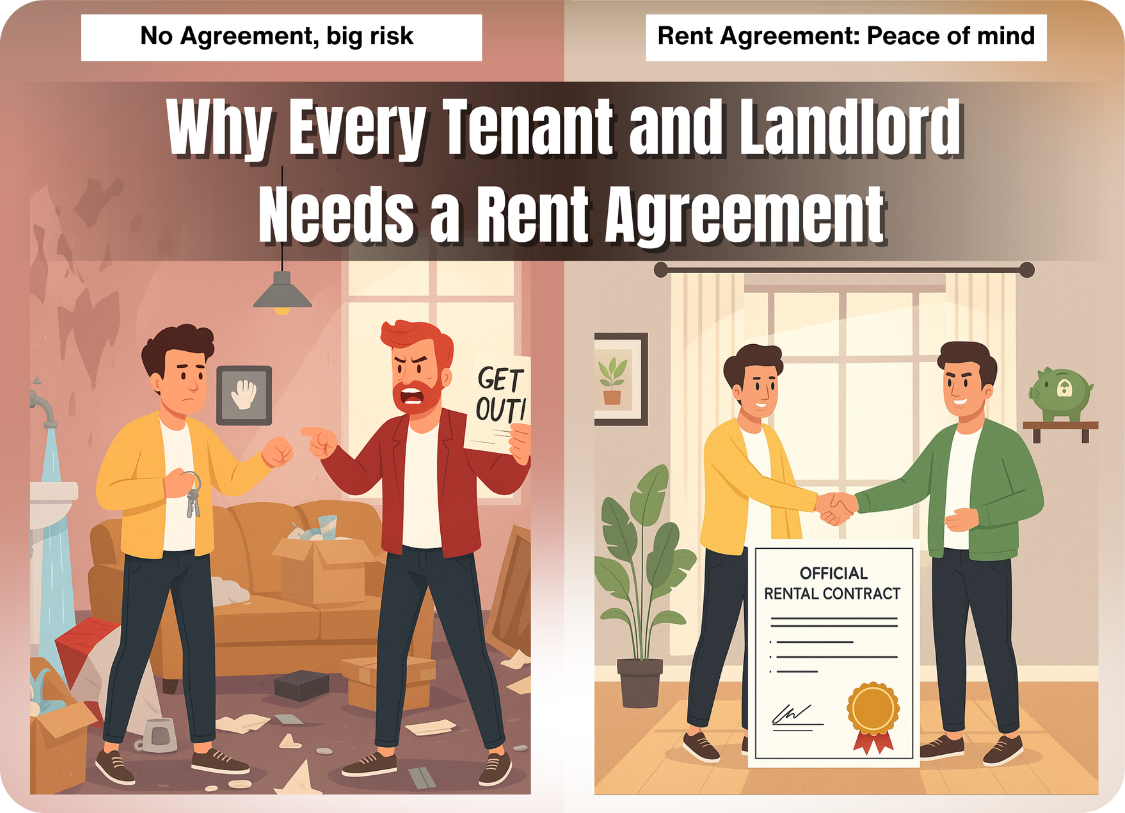
Renting a home based on a handshake is a huge risk. It sounds so straightforward and easy, until something&nbs...
November 14, 2025 • RentenPe

Your Rent Is More Valuable Than You Think Every month, millions of Indians pay rent — money that leaves t...
November 13, 2025 • RentenPe

Every month, millions of Indians pay rent — money that leaves their account with no visible return. But what&n...
October 30, 2025 • RentenPe
Imagine you’re a young professional who has just moved to a new city for the first time for a job. A...
October 27, 2025 • RentenPe

In today’s fast-paced India, where a significant portion of the population is under 40, many individuals migrate fr...
October 27, 2025 • RentenPe

Paying rent online in India has never been easier. With RentenPe, you can pay rent via credit card, UPI, ...
October 20, 2025 • RentenPe

India has always been a land of firsts — breaking barriers and setting global benchmarks in innovation. From s...
October 20, 2025 • RentenPe

In 2025, India’s investment landscape is evolving rapidly, with innovative startups reshaping industries and unlocking new&nb...
October 14, 2025 • RentenPe