
Bangalore Rent vs Home Loan EMI: What Makes More Sense in 2026
In April 2026, a viral social media post sparked outrage when a tenant in Karthik Nagar received a 15% re...
May 20, 2026 • RentenPe





Paying rent with a credit card once felt like a backup option people used only in emergencies. Now it’s almost routine. Some people like the reward points, some want the convenience, and others use it to manage cash flow when the month feels longer than the salary cycle. With digital payments becoming normal, the whole thing seems pretty straightforward on the surface.
But this is exactly where many credit card rent payment mistakes happen. What looks simple can quietly turn expensive if you miss small details like fees, billing cycles, or repayment timing. These are the kinds of rent payment credit card risks people don’t notice until they feel the pressure later. The goal here is to help you avoid those situations and make smarter choices so that paying rent with a card actually works in your favor, not against you.
One of the most common mistakes people make is assuming the amount they see is the amount they pay. In reality, most platforms charge a processing fee for paying rent with a credit card. It might look small at first, just a percentage here and there, but over a few months, it adds up more than expected. Many common errors while paying rent by credit card start right here, simply because the fee wasn’t noticed or calculated properly.
There can also be small charges people overlook, like convenience fees or taxes on the transaction. None of this feels like a big deal at the moment, but over time it turns into one of those rent credit card fees traps that quietly drain money. Taking a minute to check the full cost before paying can save a lot of regret later.
One thing that happens quite often is that people start seeing the credit card as extra income instead of borrowed money. Since the payment goes through instantly and the bank balance doesn’t change right away, it creates a false sense of comfort. But rent is a fixed responsibility, not a flexible expense. When it gets pushed onto a credit card without a clear repayment plan, the risk starts building quietly. This is one of the bigger paying rent with credit card errors people don’t realize until the bill arrives. The problem grows when repayment gets delayed, or only the minimum due is paid, because credit card interest rates can be high, often ranging in the upper monthly percentage brackets, which increases the balance faster than expected.
For example, someone paying ₹21,000 rent through a credit card might assume they’ll clear it next month. With a 2% processing fee, about ₹420 gets added immediately. If repayment is delayed and interest applies within common credit card ranges, the amount can rise quickly. Add a few extra purchases during the month, and the total due can easily cross ₹25,000 without much notice. What started as a simple payment turns into a cycle of growing dues and interest, mainly because the credit limit felt like available cash.
Timing can get confusing when you’re paying rent through a credit card. There are usually three different dates involved: your landlord’s deadline, the credit card billing cycle, and the payment due date. If you don’t keep track of how these line up, it’s easy to assume you have more time than you actually do. This is one of those credit card rent payment mistakes that happens simply because people don’t look at the full timeline.
The problem shows up when the rent is paid close to the billing cut-off date. Sometimes the transaction falls into the next cycle, sometimes it doesn’t, and that uncertainty creates confusion. If the card bill arrives earlier than expected, repayment pressure increases. In some cases, delays can even lead to late fees or penalties from either side, the bank or the landlord. These kinds of rent payment credit card risks are usually avoidable with a little planning.
The safest approach is knowing your billing cycle clearly and paying attention to the due date before making the rent transaction. Once you understand how the timing works, things become much easier and less stressful each month.
When you pay rent using a credit card, the amount is usually much higher than your regular daily spending. That means a big chunk of your credit limit gets used in one go. If your card limit isn’t very high, this can push your credit utilization ratio up quickly. Many people don’t notice this part, but it’s one of the quieter top mistakes rent credit card users make.
Credit utilization plays a role in your credit score, even if you repay on time later. If a large rent payment keeps your usage close to the limit every month, it can make your credit profile look strained. Over time, this may affect loan approvals or future credit opportunities. These are small rent payment credit card risks that don’t feel serious immediately, but can matter later.
Planning helps a lot here. Either keeping enough available limit or clearing the amount early before the billing date can reduce the impact. The idea isn’t to avoid using the card, but to use it in a way that doesn’t harm your credit health.
Not every platform that allows rent payments through credit cards works the same way. Some have unclear fees, delayed processing, or limited support if something goes wrong. People usually realize this only after facing a failed transaction or unexpected charge. Many of these issues start when people focus only on convenience and ignore whether the method is dependable.
This is where using a smooth and dependable platform makes a big difference. When the process is simple, payments go through on time, and charges are clearly shown, the whole experience feels less stressful. Many users prefer solutions like RentenPe because the flow is straightforward and designed specifically for rent payments, not just general transfers.
The right platform doesn’t just help you pay rent. It helps you avoid confusion, delays, and unnecessary costs along the way. Over time, that convenience matters more than people expect.
One of the main reasons people pay rent with a credit card is the added value, like reward points, cashback, or extra time before repayment. But many don’t plan the transaction properly, so they miss those benefits. Billing cycles, reward categories, and repayment timing often get ignored, which reduces the advantage they expected. The flexibility also depends heavily on timing. If the payment is made right after the billing cycle resets, there can be roughly 40–45 days before the due date. But if it’s done just before the statement date, that window almost disappears, and the financial cushion people hoped for isn’t there.
For example, someone paying ₹26,000 rent on a card offering 1–2% rewards could earn value around ₹260 to ₹520 per month, which may add up to ₹3,000 to ₹6,000 over a year. But if repayment is delayed, credit card interest rates, which often fall in higher monthly ranges, can quickly add ₹800 or more in charges, wiping out those gains. What could have been a smart financial move turns into a loss simply because the payment wasn’t planned carefully.
Paying rent with a credit card isn’t automatically a good or bad decision. The outcome mostly depends on how the card is used and what terms apply to it. Different banks and card types come with different fees, reward structures, and interest rates, so the experience can vary from person to person. When the payment is planned with awareness of these factors, it can offer short-term flexibility and even some value back through rewards.
But when the same option is used casually, without checking costs or repayment timing, it can lead to avoidable expenses. Processing charges, higher interest rates, or missed billing advantages can quietly reduce any benefit. The key difference isn’t the method itself, but the way it’s managed.
Paying rent with a credit card isn’t a bad idea by itself. It just depends on how you handle it. If you don’t look at the fees, miss the timing, or delay repayment, things can get uncomfortable pretty quickly. But when you know what you’re doing, it can actually make life easier for a month or two, especially when cash flow feels tight.
Most of the mistakes people make here are not complicated. They usually come from assuming everything will just work out. A little attention to the details, like costs and due dates, is enough to keep things under control. The goal is simple. Let the card help you manage payments, not create a bigger bill later.
Is paying rent with a credit card a safe choice, or does it come with risks?
It’s fine as long as you repay on time and use a reliable platform. Problems usually start only when payments are delayed or when fees aren’t checked.
Do I end up paying a lot extra when I use a credit card for rent?
There’s usually a small fee, but it depends on the platform you choose. Knowing the total amount beforehand helps avoid surprises.
Will this hurt my credit score if I keep doing it every month?
It can affect your score if a big part of your limit gets used or you miss payments. Clearing the amount on time usually keeps things safe.
How quickly does the landlord get the money after I pay?
Most of the time, it reaches within hours or the same day, depending on the service. Delays are rare but can happen with slower platforms.
Is using a credit card for rent actually a smart move financially?
It can help with rewards and short-term flexibility if planned properly. Without discipline, it can become expensive instead of helpful.
When should I pay rent with my credit card to get the most benefit?
Paying just after your billing cycle starts usually gives you more time to repay. That extra window makes things easier.
What’s the easiest way to avoid extra costs or problems?
Check fees before paying and clear the full bill before the due date. Most issues come from ignoring these two things.
In April 2026, a viral social media post sparked outrage when a tenant in Karthik Nagar received a 15% re...
May 20, 2026 • RentenPe
The urban Indian tenant enjoyed a clever financial loophole: using credit cards to pay monthly rent. It was th...
May 15, 2026 • RentenPe

The era of monthly rent anxiety and frantic bank visits is over. However, a new challenge emerged in early&nbs...
May 7, 2026 • RentenPe
In 2025, India’s digital payment system accomplished an impressive milestone: the Unified Payments Interface (UPI) processed&...
April 30, 2026 • RentenPe

The way we live & work in India is changing rapidly, & it is evident in our urban rental market.&...
April 24, 2026 • RentenPe

In the middle of the month, it feels like money runs out before the end of the month even in metros&...
April 7, 2026 • RentenPe

Every month starts the same way. Salary comes in, and almost immediately, a big part of it goes out as&nb...
March 27, 2026 • RentenPe

UPI vs. Credit Card: Best Way for Tenants to Pay Rent Before getting into which one is better, it helps&n...
March 20, 2026 • RentenPe

IntroductionPaying rent used to happen in a very different way. Many tenants would give cash or hand over a&nb...
March 18, 2026 • RentenPe

When a property becomes vacant, most landlords want to fill it quickly. Calls start coming in, people visit th...
March 12, 2026 • RentenPe

Most people treat rent like a routine bill. Something that leaves your account every month without much thought.&nb...
March 6, 2026 • RentenPe
For most tenants, rent is the biggest fixed expense every month. But handling the payment itself hasn’t always ...
February 20, 2026 • RentenPe

How Exactly Does a Credit Card Work?A credit card is a payment tool that lets you spend money that you&nb...
February 18, 2026 • RentenPe

The rent date somehow always seems to come when things are tight. Just as you get comfortable, the date a...
January 20, 2026 • RentenPe

Unlock the power of gamification with RentenPe – India’s First Rent Credit Score! Discover how smart rent payments,...
December 5, 2025 • RentenPe

Want to make your parents proud? Pay rent the smart way with RentenPe! Build your rent credit score, earn ...
December 2, 2025 • RentenPe

For tenants across India, paying rent with a credit card has always been a smart choice — whether for man...
November 18, 2025 • RentenPe

For tenants across India, paying rent with a credit card has always been a smart choice — whether for man...
November 25, 2025 • RentenPe

Paying rent every month can seem like money going down a drain, with no returns. For many tenants, it is&...
November 21, 2025 • RentenPe
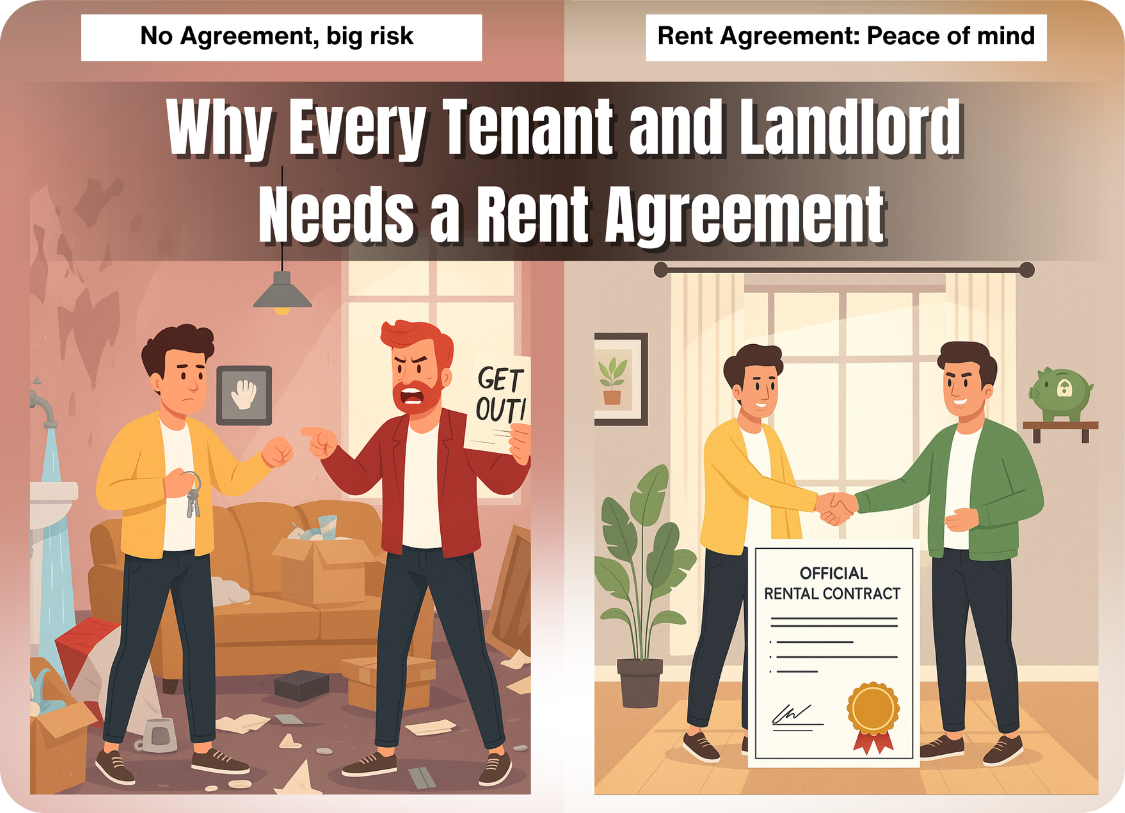
Renting a home based on a handshake is a huge risk. It sounds so straightforward and easy, until something&nbs...
November 14, 2025 • RentenPe

Your Rent Is More Valuable Than You Think Every month, millions of Indians pay rent — money that leaves t...
November 13, 2025 • RentenPe

Every month, millions of Indians pay rent — money that leaves their account with no visible return. But what&n...
October 30, 2025 • RentenPe
Imagine you’re a young professional who has just moved to a new city for the first time for a job. A...
October 27, 2025 • RentenPe

In today’s fast-paced India, where a significant portion of the population is under 40, many individuals migrate fr...
October 27, 2025 • RentenPe

Paying rent online in India has never been easier. With RentenPe, you can pay rent via credit card, UPI, ...
October 20, 2025 • RentenPe

India has always been a land of firsts — breaking barriers and setting global benchmarks in innovation. From s...
October 20, 2025 • RentenPe

In 2025, India’s investment landscape is evolving rapidly, with innovative startups reshaping industries and unlocking new&nb...
October 14, 2025 • RentenPe