
Best HDFC Credit Cards to Apply for in India
Reserve Bank of India (RBI) market data, monthly credit card spending in India has consistently crossed the ₹2 ...
October 6, 2026 • RentenPe





If you’ve talked to anyone looking for a flat in Bengaluru, Gurugram, or Mumbai lately, you know the stories. While the crazy, post-lockdown price jumps of 2024 and 2025 have finally slowed down, finding a good rental today is a completely different ballgame than it was a few years ago.
Rents have settled into a steadier 5% to 8% annual growth rate, but the underlying dynamics have permanently shifted. Buying a home in top urban hubs has simply gotten too expensive for millions of working professionals, turning renting from a temporary stopgap into a long-term lifestyle choice. Here is a clear look at how India’s rental housing landscape is changing, where the yields are highest, and what is driving the market today.
Home prices in major commercial belts have shot up significantly. In parts of Delhi-NCR, property values doubled over recent years.
Combine those prices with high home loan interest rates, and taking on a 20-year mortgage is no longer an automatic decision for young professionals.
Instead of rushing into a purchase, more people are opting to rent quality homes in well-connected neighborhoods. This shift has pushed rental yields in tech-heavy cities well above historical averages.
| City | Average Yield | Typical Monthly Rent | Primary Driver |
| Bengaluru | 4.1% – 4.6% | ₹30,000 – ₹45,000 | Massive tech workforce along ORR & Sarjapur |
| Gurugram | 3.8% – 4.2% | ₹35,000 – ₹60,000 | High demand near corporate hubs & Golf Course Ext. |
| Pune | 3.6% – 4.0% | ₹20,000 – ₹35,000 | Steady IT/ITeS growth in Hinjewadi & Kharadi |
| Mumbai (MMR) | 2.5% – 3.1% | ₹60,000 – ₹1,00,000 | High property buy costs keep yields lower, despite high absolute rents |
Historically, Indian residential property yielded a modest 2% to 3%. Today, tech hubs lead the pack:
Rapid residential absorption in locations like Greater Noida and Golf Course Road Extension has pushed yields up around 4.2%.
Yield percentages remain lower (2.5% to 3.1%) because buying a house here costs a fortune. However, monthly cash rents in suburban transit belts remain the highest in the country.
Renting habits have evolved. Tenants are being far more selective about where and how they live:
Commute time is everything. Apartments located right next to active metro lines in Mumbai, Bengaluru, or NCR command a 10% to 18% rent premium over properties located just a few kilometers further inside.
Standalone builder floors are losing popularity. Tenants want gated societies that offer reliable power backup, security, dedicated parking, and co-working spaces.
The process of renting a flat in India used to be notorious for upfront financial stress, especially the dreaded 6-to-10-month security deposit demand. That setup is finally breaking down.
How Renting Is Streamlining
[Verified Property Listing]
│
▼
[Standard Lease (Model Tenancy Framework)]
│
▼
[Capped Security Deposit (Max 2 Months)]
│
▼
[Auto-Pay Rent & Digital Deposit Escrow]
2-Month Deposit Caps
Thanks to broader implementation of regional Model Tenancy 2021 guidelines, cities like Bengaluru and Hyderabad are increasingly capping security deposits at two months' rent.
Fintech Convenience
UPI payments, automatic rent schedules, and credit card portals have simplified how monthly payments move.
Digital lease renewals and background verification have cut out a lot of traditional broker back-and-forth.
Better Dispute Channels
Registered digital leases and local Rent Authorities are helping prevent arbitrary rent hikes during active tenancy periods.
A slightly smaller flat next to a metro station will save you hours of travel time and thousands in cab fares every month.
To keep your security deposit within normal bounds, look for contracts that follow local Model Tenancy requirements.
The best rental yields aren't in old city centers; they are along expanding tech corridors like Pune’s Hinjewadi, Bengaluru’s ORR, and Gurugram’s extension roads.
Semi-furnished or fully managed units with basic smart-home fittings see significantly lower vacancy periods between tenants.
Why are rental yields rising in Bengaluru and Gurugram?
Full return-to-office policies and high tech-employee density near major transit hubs drive intense competition, pushing yields up to 5%.
What is the average rent price increase expected in 2026?
Following post-pandemic spikes, annual rent price growth has stabilized into a sustainable 5% to 8% range across top Indian metros.
How much security deposit can landlords legally charge?
Under local Model Tenancy 2021 frameworks, residential security deposits in tech hubs are capped at a maximum of two months' rent.
Why do properties near Metro lines command higher rents?
Severe traffic congestion makes commute times critical, allowing Metro-connected flats to get a 10% to 18% rental price premium.
Is renting becoming better than buying in top Indian cities?
Soaring home prices and high interest rates make buying costly, making long-term renting a practical choice for young workers.
Reserve Bank of India (RBI) market data, monthly credit card spending in India has consistently crossed the ₹2 ...
October 6, 2026 • RentenPe

Monthly rent is usually the biggest fixed expense for urban households across India. A sudden corporate layoff or&n...
September 23, 2026 • RentenPe

The Reserve Bank of India’s (RBI) revised payment aggregator directives and forward-looking Expected Credit Loss (ECL) f...
September 7, 2026 • RentenPe

Paying house rent using credit cards in India has undergone a massive shift. A recent report on Indian credit&...
September 1, 2026 • RentenPe

Renting out residential property in India has quickly turned into a high-stakes effort if you skip proper backgroun...
August 21, 2026 • RentenPe

The Reserve Bank of India’s (RBI) updated Payment Aggregator guidelines and stricter bank fee policies such as HDFC...
August 14, 2026 • RentenPe

Paying monthly rent is usually the single largest expense for urban tenants in India, often taking up 30% to&n...
August 6, 2026 • RentenPe

Under new Reserve Bank of India (RBI) credit reporting frameworks mandating weekly reporting cycles from July 2026, ...
July 17, 2026 • RentenPe

Managing large monthly outflows is a primary financial challenge for urban professionals in India. Since early 2026,&nbs...
July 9, 2026 • RentenPe

A major shift is happening across India's rental housing market. The Indian rental housing market reached a val...
July 3, 2026 • RentenPe

Finding the right occupant for your property can feel like looking for a needle in a haystack. In the rea...
June 30, 2026 • RentenPe

Early in 2026, the Reserve Bank of India reported that the All-India House Price Index had increased by a ...
June 25, 2026 • RentenPe

The Indian rental market has changed significantly over the last 12 months. According to reports published in early...
June 17, 2026 • RentenPe

Moving into a new home is thrilling, but leaving may quickly turn into a financial nightmare if your landlord&...
June 11, 2026 • RentenPe

The Central Board of Direct Taxes (CBDT) has operationalised a significant change in the House Rent Allowance claim...
May 29, 2026 • RentenPe
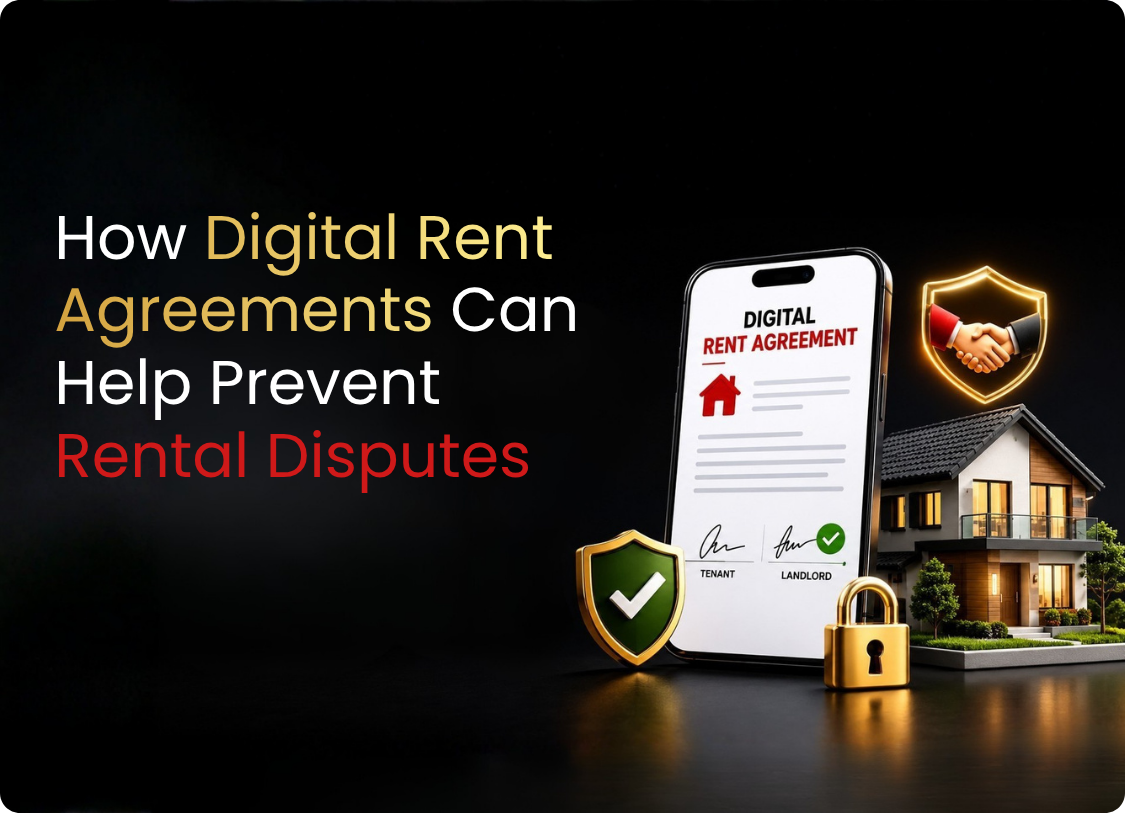
In April 2026, a rental dispute in Bengaluru made headlines when a Singapore national nearly lost a ₹6 lakh&nb...
May 22, 2026 • RentenPe
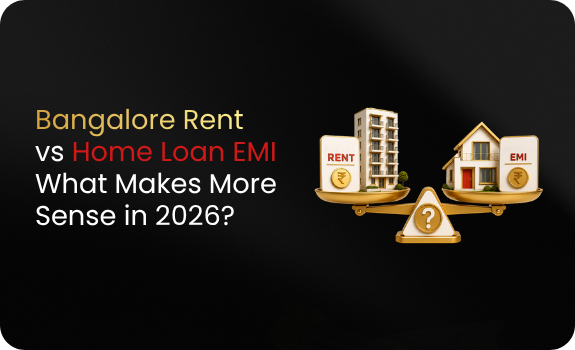
In April 2026, a viral social media post sparked outrage when a tenant in Karthik Nagar received a 15% re...
May 20, 2026 • RentenPe
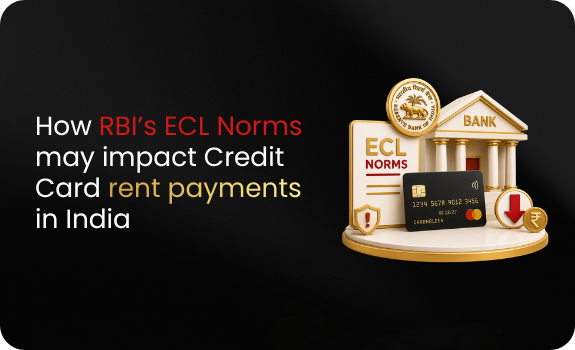
The urban Indian tenant enjoyed a clever financial loophole: using credit cards to pay monthly rent. It was th...
May 15, 2026 • RentenPe
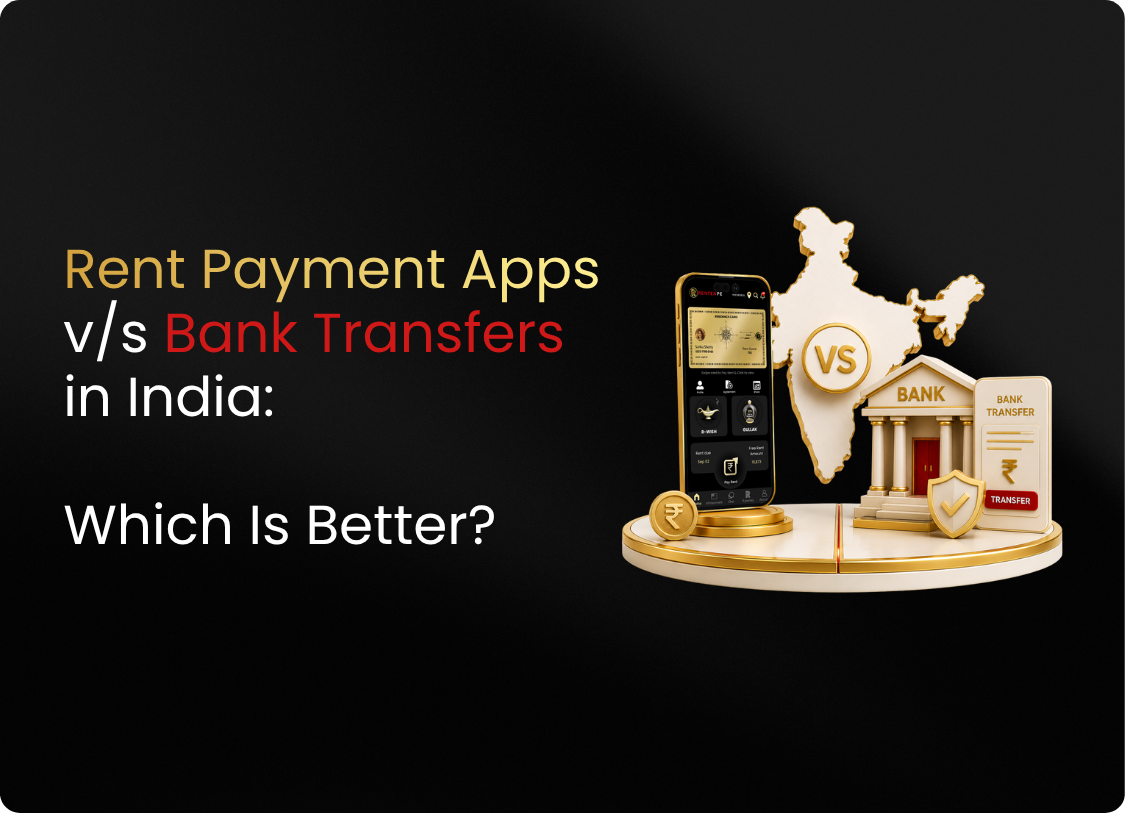
The era of monthly rent anxiety and frantic bank visits is over. However, a new challenge emerged in early&nbs...
May 7, 2026 • RentenPe
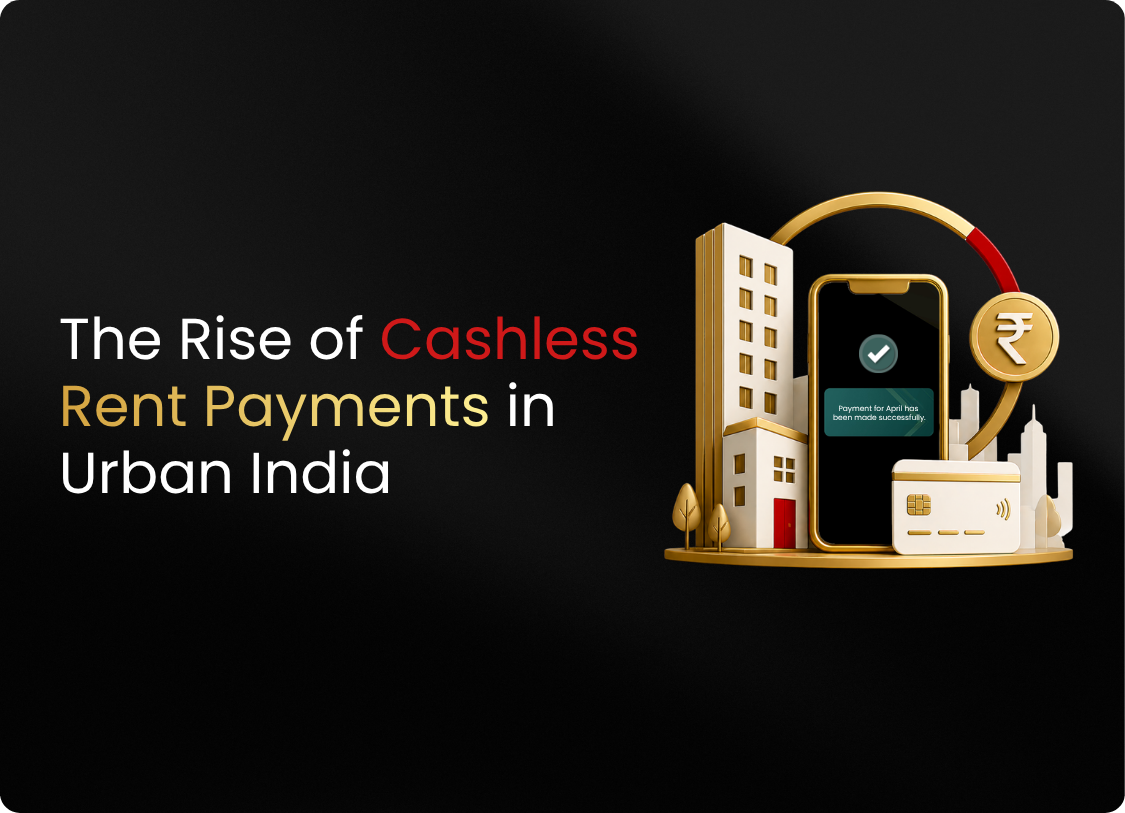
In 2025, India’s digital payment system accomplished an impressive milestone: the Unified Payments Interface (UPI) processed&...
April 30, 2026 • RentenPe

The way we live & work in India is changing rapidly, & it is evident in our urban rental market.&...
April 24, 2026 • RentenPe

In the middle of the month, it feels like money runs out before the end of the month even in metros&...
April 7, 2026 • RentenPe

Every month starts the same way. Salary comes in, and almost immediately, a big part of it goes out as&nb...
March 27, 2026 • RentenPe

UPI vs. Credit Card: Best Way for Tenants to Pay Rent Before getting into which one is better, it helps&n...
March 20, 2026 • RentenPe

IntroductionPaying rent used to happen in a very different way. Many tenants would give cash or hand over a&nb...
March 18, 2026 • RentenPe

When a property becomes vacant, most landlords want to fill it quickly. Calls start coming in, people visit th...
March 12, 2026 • RentenPe

Most people treat rent like a routine bill. Something that leaves your account every month without much thought.&nb...
March 6, 2026 • RentenPe

Paying rent with a credit card once felt like a backup option people used only in emergencies. Now it’s a...
February 27, 2026 • RentenPe
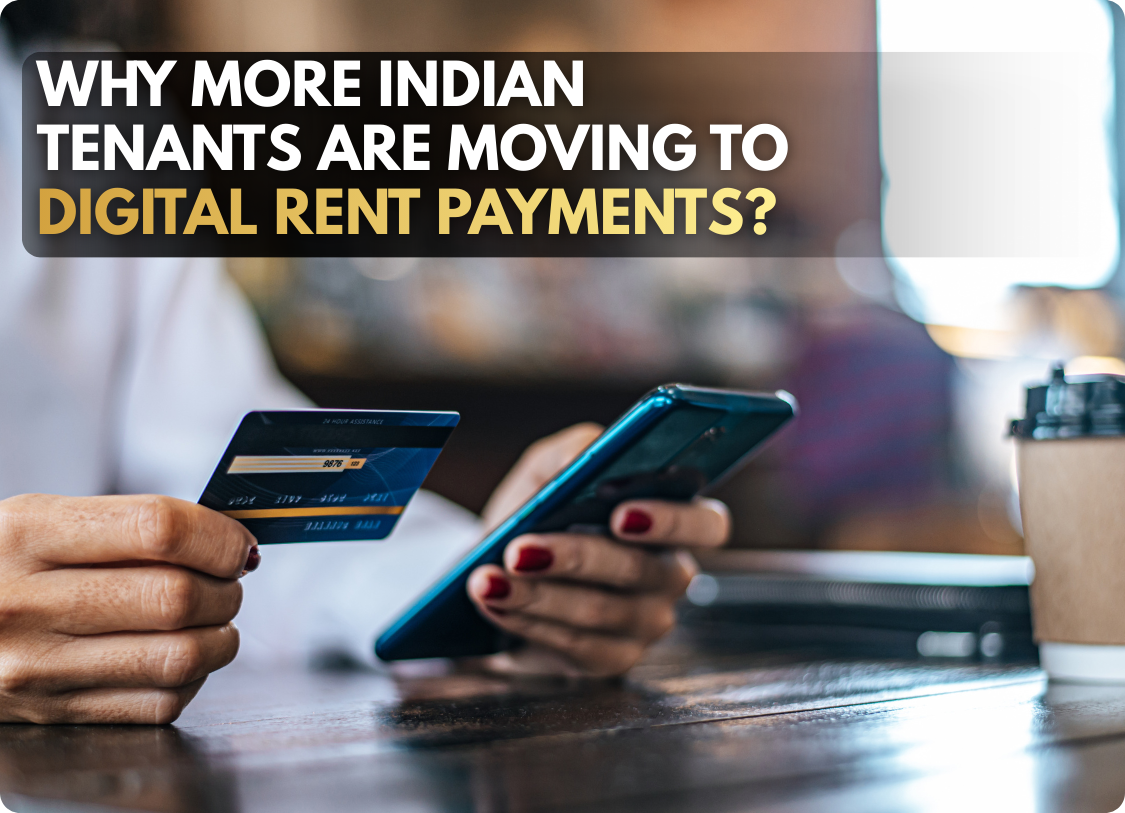
For most tenants, rent is the biggest fixed expense every month. But handling the payment itself hasn’t always ...
February 20, 2026 • RentenPe

How Exactly Does a Credit Card Work?A credit card is a payment tool that lets you spend money that you&nb...
February 18, 2026 • RentenPe

The rent date somehow always seems to come when things are tight. Just as you get comfortable, the date a...
January 20, 2026 • RentenPe

Unlock the power of gamification with RentenPe – India’s First Rent Credit Score! Discover how smart rent payments,...
December 5, 2025 • RentenPe

Want to make your parents proud? Pay rent the smart way with RentenPe! Build your rent credit score, earn ...
December 2, 2025 • RentenPe

For tenants across India, paying rent with a credit card has always been a smart choice — whether for man...
November 18, 2025 • RentenPe

For tenants across India, paying rent with a credit card has always been a smart choice — whether for man...
November 25, 2025 • RentenPe

Paying rent every month can seem like money going down a drain, with no returns. For many tenants, it is&...
November 21, 2025 • RentenPe
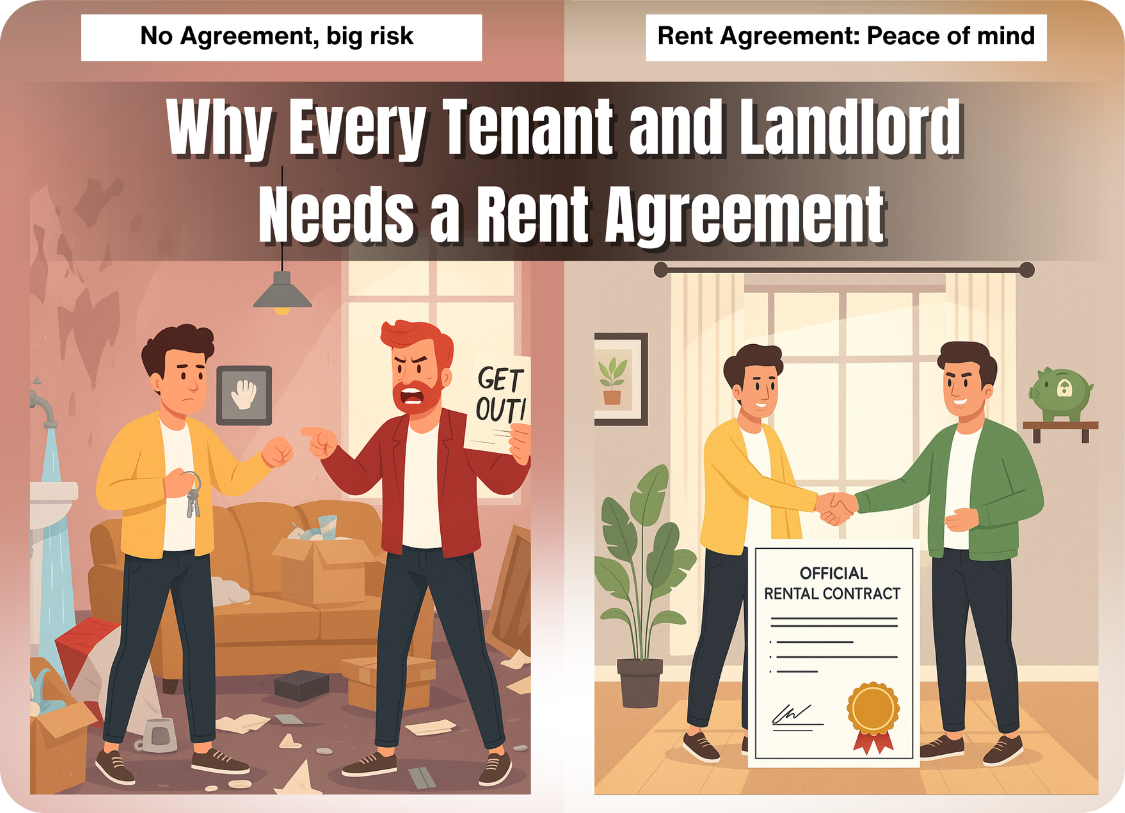
Renting a home based on a handshake is a huge risk. It sounds so straightforward and easy, until something&nbs...
November 14, 2025 • RentenPe

Your Rent Is More Valuable Than You Think Every month, millions of Indians pay rent — money that leaves t...
November 13, 2025 • RentenPe

Every month, millions of Indians pay rent — money that leaves their account with no visible return. But what&n...
October 30, 2025 • RentenPe
Imagine you’re a young professional who has just moved to a new city for the first time for a job. A...
October 27, 2025 • RentenPe

In today’s fast-paced India, where a significant portion of the population is under 40, many individuals migrate fr...
October 27, 2025 • RentenPe

Paying rent online in India has never been easier. With RentenPe, you can pay rent via credit card, UPI, ...
October 20, 2025 • RentenPe

India has always been a land of firsts — breaking barriers and setting global benchmarks in innovation. From s...
October 20, 2025 • RentenPe

In 2025, India’s investment landscape is evolving rapidly, with innovative startups reshaping industries and unlocking new&nb...
October 14, 2025 • RentenPe